Moldy Belongings and Contents Cleaning in Shelter Island, NY
Mold cleaned from salvageable furniture, clothing and stored belongings in your Shelter Island home. Call 24/7 to arrange item assessment, cleaning and drying.
- Item-by-item assessment
- Controlled pack-out and cleaning
- Moisture checked before return
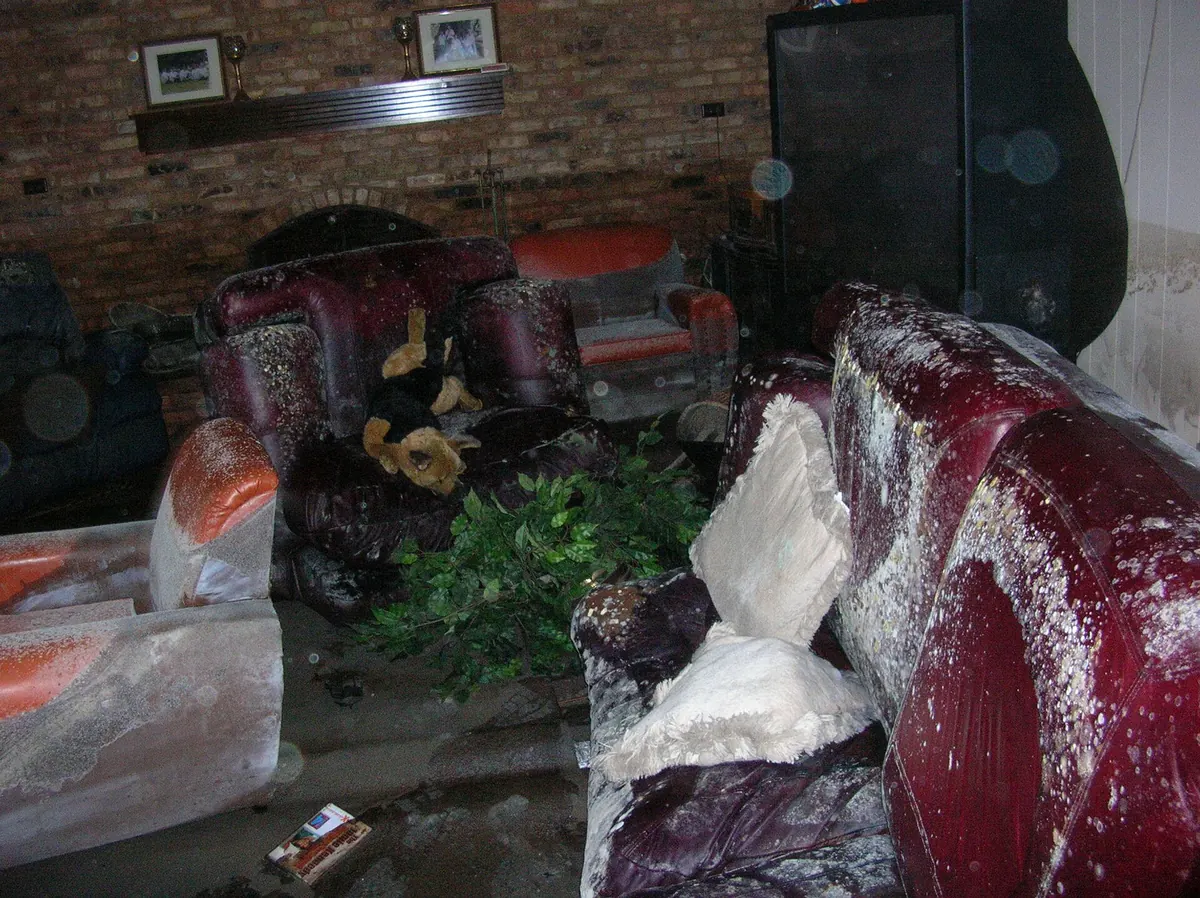
Mold Contents Cleaning Services for Moldy Belongings in Shelter Island
Your furniture, books, clothing, stored personal items and upholstery fall within contents cleanup. Assessment of each piece determines cleaning, specialty care or disposal.
Glass and metal are examples of non-porous belongings that often allow cleaning. Your salvageable items are set apart from affected building materials, while porous contents need closer checks for mold under the surface.
A written scope details how your contents will be cleaned, either at the property or after pack-out. It also defines storage, transport and delivery home. Moisture correction is coordinated with cleanup to ensure a dry return location.
- Item-by-item salvage assessment
- Wood furniture and hard-surface cleaning
- Clothing and fabric care assessment
- Packing with controls and separate storage in clean conditions
- Drying and checks before return
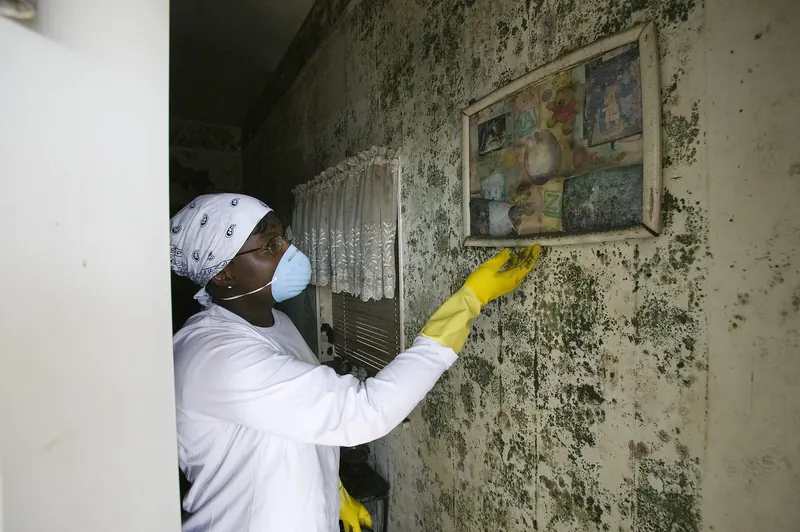
Moldy Belongings in Shelter Island: Signs Cleaning Is Needed
Arrange assessment before relocating your items when storage smells musty, fabric is damp or growth is visible.
Moldy Upholstery and Cushions
Mold near seams or lingering dampness affects your sofa, cushions or mattress.
Moldy Books and Boxes
Damp edges, stuck pages or visible mold growth appear in your books.
Moldy Furniture Resting Against Damp Walls
Growth appears on furniture backs, undersides or joints near damp walls.
Mold on Clothes in Storage
After storage in damp conditions, your clothes develop spots or musty odor.
Recurring Moldy Belongings
Returning odor following surface cleaning may point to affected materials or concealed dampness.
How Moldy Contents Cleanup Works Across Greater New York
Your job moves from assessment through cleaning, drying and final checks before return.
Assess Moldy Belongings
Your belongings are examined for damage and cleaning access. Dampness assessment uses a moisture meter; mold cannot be identified by a thermal imaging camera.
Trace Moisture and Define the Scope
Assessment covers storage conditions, humidity and leaks. To address the moisture source, your scope specifies separate building repairs as well as salvage and disposal.
Set Work Area Containment
Poly sheeting separates the affected area alongside a containment barrier. Particle spread is limited using a HEPA air scrubber, protective equipment and negative air pressure.
Remove Unsalvageable Moldy Contents
Unsalvageable porous materials are wrapped inside containment for approved disposal. For off-site cleaning, belongings receive separate packing and travel by a protected route.
Clean Suitable Surfaces and Fabrics
HEPA vacuum cleaning and suitable surface methods address accessible growth. Laundering or dry cleaning follows fabric care requirements; antimicrobial treatment does not replace cleaning.
Dry Belongings and Store Clean Items Separately
Drying is supported, where suitable, by a dehumidifier plus controlled air movers. Moisture readings track progress; cleaned goods stay separate from untreated contents.
Verify Cleaning and Drying
Cleaning results and odor undergo checks against the scope, along with dryness. An independent assessor carries out specified post-remediation verification or clearance testing.
Remove Containment and Return Contents
Once cleaning, drying and agreed verification are complete, containment can come down. Return of your belongings waits until the destination is ready and apart from dust-producing building work.
Contents Cleaning for Moldy Belongings: Why Choose New York Mold Removal Services
Contained Packing and Cleaning
During movement and treatment of your affected belongings, HEPA filtration and containment reduce particle spread.
Moisture Before Return
To avoid placing cleaned belongings back amid unresolved moisture, your assessment traces the dampness.
Calls Answered 24/7
One number starts your contents cleanup across the metro, including nights and weekends.
Cleaning Through Final Checks
Your scope follows removal, cleaning and drying through final checks and return.
Item-Specific Scope
You learn about cleaning methods, the limits of salvage and your materials before any work starts.
Before Cleaning Moldy Belongings in Suffolk County
Call for an assessment while keeping your affected items undisturbed.
- Keep items in place. Avoid carrying unwrapped moldy belongings through clean rooms.
- Avoid shaking or brushing. You can release mold spores by disturbing growth on upholstery or clothes.
- Keep people and pets away. Until assessment of the work area, restrict access to affected furniture and storage.
- Leave suspect equipment off. EPA says not to run an HVAC system that may contain mold.
- Keep clean belongings separate. Do not place unaffected clothing or bedding on suspect furniture.
Contents Cleaning Costs for Moldy Items in Shelter Island, NY
Published figures show ranges rather than quotes; cleaning your contents is charged per pound. The scope defines specialty care, transport and storage. Residential clearance and inspection are separate services if specified.
Cleaning soft furnishings and contents
$2 to $20 per poundSource: Fixr, Mold Remediation Cost (checked 2026-10-23)Inspection billed separately
$450 to $800 per inspectionSource: Fixr, Mold Remediation Cost (checked 2026-10-23)Post-remediation clearance for a residential project
$300 to $700 per jobSource: Inspect and Test, Mold Remediation Air Quality Testing (clearance guide) (checked 2026-10-23)What Changes Your Contents Cleaning Cost
- Quantity and materials
- Storage and disposal
- Packing and transport
- Specialty care
- Method and drying needs
Item-by-Item Pricing for Your Cleanup
These published national ranges are planning figures. Your on-site assessment defines the work and price before cleanup starts, including any separate source repairs or rebuilding.
Call (844) 352-3560 about costMoldy Belongings and Contents Cleaning Service Area Across Greater New York
Call (844) 352-3560 to arrange cleanup in Shelter Island or nearby communities. One number covers the metro.
Moldy Belongings and Contents Cleaning in Locations Near Shelter Island
ZIP codes
Answers to Moldy Belongings and Contents Cleaning Questions in Shelter Island
What does contents cleaning cost in Suffolk County?
The quantity, materials and damage of your items shape cost alongside the cleaning method. The published range above uses a per-pound unit for soft furnishings and contents. Specialty care, packing, transport and storage can change the total. Before work starts, your scope sets out these charges along with any costs for disposal.
Does cleaning moldy furniture mean every piece can be saved?
Furniture in sound condition may be cleaned, although deep growth in filling, inaccessible growth or weakened wood may rule out practical salvage. Treatment starts after an individual assessment of each piece. Your scope sets out disposal and cleaning. You cannot judge hidden upholstery or joints solely by a clean-looking surface.
Can you remain at home during belongings cleanup?
With occupied rooms separated from work areas, you might be able to stay. For an occupied building, that decision depends on shared ventilation, access routes and household requirements. Your assessment defines restrictions before work begins. Off-site cleaning reduces on-site activity, but room cleanup may still limit access.
Do you need air sampling ahead of cleaning or afterward?
Visible mold often does not need air sampling under EPA guidance. Item condition and cleaning access determine the contents scope. Following cleaning, checks of drying and materials verify completion of the agreed work. When required by the scope, clearance testing is performed by an independent assessor. A clearance report for a room does not certify individual garments or cushions.
Can every stain disappear through mold removal from clothes?
You cannot count on cleaning to eliminate every odor and stain. Fabric care directions, growth and material type guide decisions about treatment and salvage. Assess delicate items separately. Remaining discoloration cannot alone confirm active mold; appearance must be considered together with checks of cleaning and drying.
Could mold return after your belongings are cleaned?
Your cleaned belongings may grow mold again when left damp or placed back amid unresolved moisture. Assessment, drying and cleaning form the cleanup; your scope sets out moisture corrections that are needed. Leak repairs are included only when listed in your scope. Keeping cleaned contents in dry storage helps protect them.
How much time does contents cleanup need in Shelter Island?
Your timeline varies with cleaning methods, the materials involved and how many items need work. Hard-surface pieces require a different approach from books or upholstered items. Cleaning comes before drying and final checks. Storage may continue while moisture repairs and building cleanup finish, so return timing depends on your rooms as well as your belongings.
Moldy Contents Cleanup in New York: Insurance Considerations
Coverage depends on the moisture event, policy terms, exclusions and limits. Cleaning, disposal, replacement and storage may receive different coverage decisions.
Moldy Contents Safety Across Greater New York
Particle spread is limited by packing under control and using containment during your sorting and cleanup.
Sensitive Occupants
CDC notes that some people may experience mold-triggered allergy and asthma symptoms.
Trapped Moisture
Thick materials may still be damp inside despite a dry surface.
Cleaning Damage
Finishes, electronics and fabrics can suffer damage from unsuitable products or too much water.
Hidden Growth in Moldy Furniture
Growth can reach upholstery filling or hidden furniture joints.
Cleanup scope: EPA notes that you can often clean an area under about 10 square feet yourself. That does not determine whether furniture is salvageable. Larger areas, HVAC involvement or contaminated water call for professional help.
Moldy Belongings in Suffolk County: Cleanup or Removal
Whether your belongings can be cleaned depends on their condition; deeply affected porous items may be discarded.
Hard surfaces and wood
- Glass, hard plastic and metal receive cleaning wherever accessible. Cleaning and drying options are assessed for sound wood furniture.
Fabrics and paper
- Assessment takes place separately for books and fabrics. Unsalvageable filling and damaged cardboard are removed.
Specialty belongings
- Artwork, electronics and irreplaceable documents need methods suited to their construction before treatment begins.
Moldy Contents Cleanup Timing in Suffolk County
How long cleanup takes rests on cleaning, drying and your room's status.
- Assessment and packing: Treatment decisions must be made separately for fragile belongings and mixed materials.
- Cleaning and drying: Material thickness influences progress alongside care-label restrictions and moisture readings.
- Return delivery: Even with your contents clean, return may wait for phased remediation and building repairs.
Your Shelter Island Moldy Clothing: Humidity and Odor
You cannot judge cleanliness by smell alone. Check materials and moisture when odors persist; using fragrance or ozone cannot take the place of cleaning and drying.
EPA recommends indoor relative humidity below 60 percent, ideally 30 to 50 percent. Dry storage and moisture correction help protect your cleaned belongings.
Moldy Contents Cleanup in New York: Required Steps
Contents Work Requirements
The New York State Department of Labor licenses mold assessors and mold remediation contractors under Article 32 of the Labor Law. The same person may not do both the assessment and the remediation on one property, and you can check a contractor in the Department of Labor's search of mold contractor license holders.
EPA Guidelines for Drying
Water-damaged items and areas need drying within 24 to 48 hours to help prevent mold growth.
Mold Sampling Limits
Indoor mold levels are not subject to a federal limit.
State Mold Information
The New York State Department of Health indoor air page says mold can grow on any surface with enough moisture and points to its Mold in Your Home guide. Health questions can go to [email protected] or (518) 402-7800.
State guidance: NY State Department of Labor: Mold Program; NY Real Property Law 462, NY Senate; NY Attorney General: Legal services and code enforcement; NY State Department of Health: Indoor Air
Related Services and Next Steps
Start Your Moldy Belongings and Contents Cleaning in Shelter Island
Call 24/7 to arrange your assessment. Your cleanup starts with the affected surfaces, moisture source and access to your home.